|
Crannogs were constructed by placing layers of
stone, brushwood, tree trunks and even old dugout canoes on the
lakebed. These were held together by wooden pilings and the
platform was covered with a layer of earth or sand. On this the
inhabitants built their thatched houses of wattle (woven twigs)
and daub (mud) and surrounded themselves with a protective timber
fence. These artificial islands were generally approached by
dugout canoes or by various types of causeways or bridges.
Society of northern Europe in
this period was very different when
wealthy, cultured aristocrats lived in what to us look like huts or
in cold stone fortresses. Their wealth was expressed by ornaments on their homespun clothing,
their power in the number of men they could call to battle, their
refinement in their knowledge of poetry, music and the law. Their
homes were simple but they knew their ancestry going back many generations
and considered themselves fully the equal of villa-dwelling
Romans. You can get a flavour of life back then at
the
Shannon Heritage. |
.%20A%20crannog%20is%20a%20lake-dwelling%20on%20which%20people%20built%20houses%2C%20kept%20animals%2C%20and%20lived%20in%20relative%20security%20from%20invaders.%20More%20at%20www.naturalhomes.org%2Ftimeline%2Fcraggaunowen-cranog.htm)
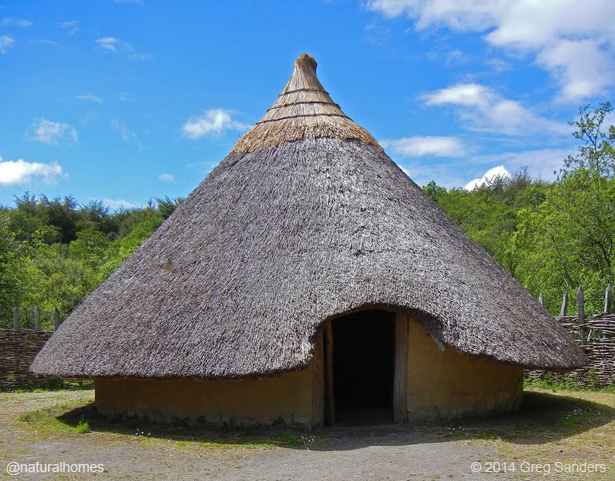
.%20A%20crannog%20is%20a%20lake-dwelling%20on%20which%20people%20built%20houses%2C%20kept%20animals%2C%20and%20lived%20in%20relative%20security%20from%20invaders.%20More%20at%20www.naturalhomes.org%2Ftimeline%2Fcraggaunowen-cranog.htm)

.%20A%20crannog%20is%20a%20lake-dwelling%20on%20which%20people%20built%20houses%2C%20kept%20animals%2C%20and%20lived%20in%20relative%20security%20from%20invaders.%20More%20at%20www.naturalhomes.org%2Ftimeline%2Fcraggaunowen-cranog.htm)
